

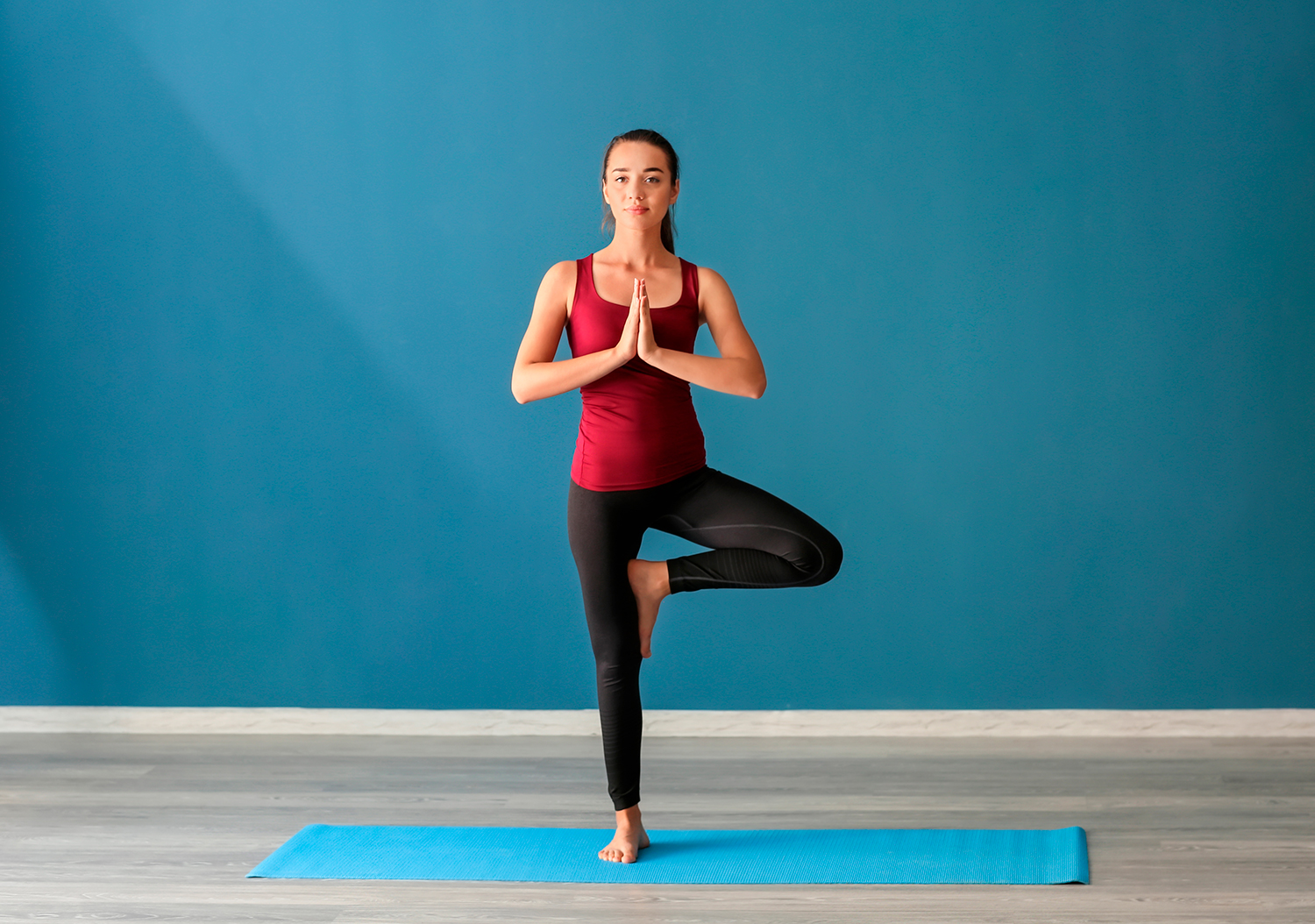
Workplaces today are not just about productivity. They are about balance, mental well-being, and sustainable performance. As Singapore’s corporate culture becomes faster and more digitally connected, many professionals are realising that success cannot come at the expense of health. This is where hatha yoga is making its quiet revolution in offices across the island.
Once considered a personal fitness pursuit, hatha yoga is now finding a permanent place in corporate wellness programmes. Its ability to relieve stress, improve posture, and enhance focus has made it an essential component of employee well-being. Unlike quick workplace gimmicks, hatha yoga offers measurable physical and psychological transformation that aligns perfectly with Singapore’s professional rhythm.
The Shift Towards Mindful Workplaces
In the past, corporate wellness initiatives were limited to gym memberships or annual health check-ups. But today’s workforce faces different challenges: back pain from long hours at desks, digital eye strain, and constant stress. Hatha yoga addresses all of these at once through movement, breath, and awareness.
Companies are beginning to recognise that employee health directly affects performance. A fatigued mind leads to slower decisions and errors. A stressed body results in absenteeism and burnout. Integrating hatha yoga into the work routine creates a preventive rather than reactive approach.
Why Corporate Singapore Is Turning to Hatha Yoga:
-
Rising levels of workplace stress and burnout
-
Long sedentary hours leading to poor posture and chronic pain
-
Increased need for mental clarity and emotional stability
-
Demand for flexible, non-competitive fitness activities
This growing awareness is turning office spaces into mindful environments where movement and calm coexist.
Physical Relief for Desk-Bound Professionals
Singapore’s office workers often spend eight to ten hours sitting, creating strain on the neck, shoulders, and lower back. Hatha yoga provides effective and accessible solutions to these postural problems. Its gentle stretches reverse the effects of sitting while improving blood flow to the spine and limbs.
Simple poses such as seated twists, shoulder rolls, and standing forward folds can be practised right beside a workstation. These movements release muscle tightness and refresh the nervous system within minutes.
Key Physical Benefits for Office Workers:
-
Reduced neck and shoulder tension
-
Improved spinal flexibility and core strength
-
Enhanced circulation to reduce fatigue
-
Better posture during long meetings or computer work
Even a ten-minute daily session can transform how employees feel and function at work.
The Mental Dimension: Focus Through Stillness
The corporate world runs on speed and deadlines. Yet the ability to stay calm under pressure is what separates effective professionals from overwhelmed ones. Hatha yoga cultivates that calm through stillness.
By focusing on breath and alignment, practitioners train the brain to remain steady despite distractions. This builds mental resilience — the skill to recover quickly from stress without losing clarity. Over time, regular practitioners report improved focus, decision-making, and creativity.
For teams in high-pressure industries such as finance or technology, group sessions before or after work have become an anchor for mental reset. These short classes help release built-up tension and prepare employees for the next day with renewed energy.
The Role of Breathing in Managing Stress
Breathing is the most accessible stress-management tool, yet it is often ignored in daily work life. Hatha yoga reintroduces conscious breathing as a mechanism for emotional regulation.
Deep inhalation increases oxygen supply, while slow exhalation activates the parasympathetic nervous system, signalling the body to relax. This simple shift in rhythm lowers blood pressure and reduces anxiety.
When practised regularly, these breathing techniques train the body to respond calmly to stressful meetings or heavy workloads. Many corporate practitioners notice that after months of consistent yoga, their automatic reaction to pressure becomes patience instead of panic.
Team Cohesion and Workplace Morale
Hatha yoga sessions in the office are not just about individual wellness. They also build stronger teams. Practising together fosters empathy, communication, and a shared sense of relaxation that extends beyond the mat.
When colleagues experience calm together, they communicate better and handle conflicts with greater understanding. Group yoga sessions during lunch breaks or wellness retreats also create informal spaces for bonding, which strengthens company culture.
Organisational Benefits of Hatha Yoga at Work:
-
Improved team morale and collaboration
-
Lower absenteeism and healthcare costs
-
Enhanced creativity and innovation
-
Stronger loyalty and retention
In the long run, companies that prioritise wellness develop employees who are not just skilled but also balanced and motivated.
Making Space for Yoga in Modern Offices
Corporate environments in Singapore are adapting to wellness-oriented layouts. Some offices now include small wellness rooms or flexible spaces for short yoga breaks. Remote working setups also support this culture, as online yoga classes can easily fit into virtual schedules.
Employers are finding that investing in these facilities pays off. Employees who practise yoga regularly tend to report fewer sick days and higher satisfaction with their workplace. This shift towards preventive health care also supports national initiatives promoting mental wellness and active lifestyles.
Adapting Hatha Yoga for Office Settings
One of the strengths of hatha yoga is its adaptability. It does not require extensive space or specialised equipment, making it ideal for busy professionals. Instructors can customise sessions to fit corporate needs — whether a 20-minute morning stretch, a midday desk yoga routine, or a calming session before the end of the day.
Popular adaptations for the workplace include:
-
Chair yoga: Modified postures performed while seated.
-
Breath focus sessions: Short guided breathing exercises for mental clarity.
-
Mindful movement breaks: Standing poses that improve posture and energy.
-
After-work restorative classes: Slow-paced sessions for relaxation and sleep improvement.
These options make yoga accessible for employees of all fitness levels.
How Singaporean Companies Are Leading the Trend
Several organisations in Singapore have already integrated yoga into their wellness programmes. While some offer in-office classes once or twice a week, others provide wellness memberships for staff to attend external studios.
The results have been encouraging. Companies report reduced employee stress, better focus, and even lower turnover. Human resource departments find that wellness initiatives like yoga improve employer branding and attract younger talent who value work-life balance.
With wellness becoming a core business strategy, hatha yoga is now as relevant in boardrooms as in studios.
The Role of Yoga Studios in Supporting Corporate Wellness
Studios like Yoga Edition are playing an essential role in guiding this corporate transformation. Their experienced instructors understand both physical alignment and workplace dynamics. They design programmes that balance productivity goals with employee health, ensuring that each session leaves participants re-energised yet grounded.
Many organisations collaborate with studios to host wellness workshops, offsite retreats, or online classes for hybrid teams. This partnership ensures that employees receive consistent guidance and safe instruction.
Building Long-Term Habits Through Practice
The true value of hatha yoga in the workplace lies in its sustainability. Once employees experience the benefits, they tend to integrate small habits into their routine — a few mindful breaths before a meeting, a quick stretch between emails, or a posture correction while sitting.
These micro-moments of awareness create long-term resilience. Over time, the workforce becomes calmer, more efficient, and more self-aware.
Tips for Employees Starting Yoga at Work:
-
Begin with short sessions; even five minutes count.
-
Avoid practising immediately after a meal.
-
Focus on breathing rhythm before attempting deeper stretches.
-
Stay consistent to observe gradual improvements.
-
Respect personal limits; yoga is not a competition.
The Future of Corporate Wellness in Singapore
As more businesses recognise the connection between well-being and performance, yoga will become a permanent feature of corporate culture. Companies are already exploring data-driven wellness tracking and hybrid wellness programmes where in-person sessions are complemented by online mindfulness resources.
Hatha yoga, with its focus on balance and breath, provides the framework for this future — one where mental health, posture, and energy are nurtured daily. In the evolving professional world, calmness is becoming the new measure of strength.
Frequently Asked Questions
Q1. Is hatha yoga suitable for office workers with no prior experience?
Yes. Hatha yoga is ideal for beginners as it focuses on slow, controlled movements and mindful breathing. Most postures can be adapted for all fitness levels.
Q2. Can hatha yoga improve work performance?
Indirectly, yes. Regular practice enhances focus, decision-making, and stress management, all of which contribute to improved work performance.
Q3. How often should companies organise yoga sessions?
Once or twice a week is effective for most employees. Daily short breathing or stretching breaks can also maintain consistent wellness benefits.
Q4. Is special equipment needed for office yoga?
Not necessarily. A clean space and non-slip flooring are enough for basic postures. Optional mats or chairs can provide extra comfort.
Q5. Can hatha yoga help reduce burnout in high-pressure jobs?
Absolutely. Regular practice activates the body’s relaxation response, helping employees recover from fatigue and maintain emotional stability even under stress.
